A complete day of first aid training can really feel daunting when you initially consider the routine. After that you see coworkers walking out of fast first aid courses claiming, "It was a lot, but I feel ready currently," and you start to ask yourself whether a solitary day actually can prepare you to act in a crisis.
I have actually shown and designed first aid and CPR training for many years, including express first aid courses for work environments that could not save personnel for longer programs. Done well, a fast first aid course is not a faster way in the hazardous feeling. It is a concentrated, meticulously structured discovering experience that provides you a solid first aid certificate and practical self-confidence in one long, focused day.
Done inadequately, it is a blur of PowerPoint slides that leaves you with a card in your purse and little else.
The distinction depends on assumptions, framework, and exactly how honestly you treat the trade-off in between rate and deepness. Let us go through what a really efficient fast first aid course resembles, what it can cover, and exactly how to judge whether it matches your real‑world needs.
What "Fast-Track" Really Means
When training carriers market a fast first aid course, they are typically talking about among 3 styles:
A full one-day combined course where theory is finished online beforehand and the face-to-face day concentrates on technique and assessment. A pressed classroom day that fulfills the minimal time and material required by a regulatory authority or recognizing body. An express first aid refresher course where the student currently holds a present or recently expired certificate.The very first layout, the combined fast first aid training design, is usually the most effective. Learners full online modules at their very own pace, usually over a number of days, after that attend a single in‑person day to place whatever right into method. That face‑to‑face day can be truly hands‑on instead of a thrill through slides, due to the fact that the concepts are already familiar.
The second layout can work, however it is much more requiring, particularly for people brand-new to first aid and CPR. If every minute of the day is made use of well, you can still complete experienced and confident. If time is lost to admin, hold-ups or undistinct mentor, the course comes to be demanding for everyone.
The third, the express first aid correspondence course, is optimal for individuals whose skills are mostly there however a bit rustic. Fast CPR correspondence course specifically are useful for healthcare employees, safety staff, and child care specialists who make use of CPR training often adequate to remember the fundamentals, but want updated standards and fresh practice.
Short does not indicate shallow by definition. Short means the course developer needs to be fierce about what matters most when somebody is not breathing, is bleeding greatly, or is having a seizure, and what can sensibly be delegated longer or expert training.
What You Can Genuinely Find Out In One Day
When I prepare a single‑day first aid and CPR course, I start from a basic concern: "What do I want this person to be able to do in the initial 10 mins of a medical emergency situation?"
The solution guides the core topics. A solid one‑day fast first aid and CPR course generally covers:

Cardiopulmonary resuscitation (CPR). That means recognizing cardiac arrest, calling for aid quickly, doing high‑quality upper body compressions, and making use of an automated exterior defibrillator (AED). The most effective fast CPR courses give you multiple rounds of hands‑on method, not just a demonstration.
Airway and breathing problems. You need to leave able to manage choking in adults, youngsters, and infants, recognize breathing difficulties such as bronchial asthma assaults, and know just how to put someone in the healing position.
Serious blood loss and injuries. You require to know how to apply straight stress, use plasters and improvisated dressings, take care of ingrained objects, and recognize when a tourniquet or hemostatic clothing may be required in your setting.
Shock and circulation problems. Not the book physiology, but the functional signs: light, cool, perspiring skin, fast pulse, modified frame of mind. And how to react with peace of mind, placing, and rapid activation of emergency situation services.
Common clinical emergency situations. The majority of fast first aid courses cover at the very least the basics of seizures, strokes, heart attacks, allergic reactions, and diabetic emergency situations. You learn what indicators to watch for and what to do while waiting for paramedics.
Minor injuries. Burns, sprains, nosebleeds, and small cuts appear simple, yet they are where people frequently improvisate severely. A great teacher will give you useful, low‑tech approaches you can utilize in your home or at work.
Those who work with kids might rather choose an express childcare first aid course, or an express childcare first aid training day that includes pediatric‑specific content: baby CPR, febrile convulsions, choking in kids, and usual playground injuries. I have seen childcare staff visibly relax as soon as they have practiced these skills on child‑sized manikins, due to the fact that the fear of "What if something takes place on my watch?" has been attended to with real practice, not just theory.
The first aid and CPR material might seem like a whole lot, however the key is repetition and focused scenarios, not countless topics. If, by the end of the day, you can inspect responsiveness, telephone call for aid plainly, begin CPR, control significant bleeding, and keep a casualty risk-free and calm until assistance arrives, the course has done its core job.
Where Fast Courses Have Limits
Every express first aid course needs to leave something out. That is not a problem, it is an honest constraint.
What normally gets trimmed in a fast first aid or express CPR course?
Extended concept. You will obtain the crucial "why," but not a full lecture in makeup. Many adults do not require detailed cardiac physiology to push hard and fast in the facility of the chest.
Niche situations. Complicated environmental emergencies, chemical exposures, or highly particular work environment risks frequently call for specialist first aid training or separate modules.
Long method on every variant. You might practice CPR on a grown-up manikin and only see a demonstration of baby CPR, or vice versa, depending upon the course. That may be fine for a white-collar worker, but not for a person working daily with babies.
Assessment deepness. Several fast certification programs use constant observation as opposed to extensive formal examinations. This can be a lot more gentle and still legitimate, yet it means you should remain engaged from the first method drill to the last.
Be clear concerning your requirements. If you service a construction site, offshore center, or remote residential or commercial property, or you manage kids with medical conditions, a standard fast first aid course near you might not cover all the circumstances you face. You might still do the one‑day course for a solid structure and after that include targeted modules.
I have had students appear expecting a fast first aid course to make them "practically like a paramedic." That is not what a one‑day class can or must do. It can make you a proficient, calm bystander that gets critical time for a casualty until professionals arrive.
Who A Fast-Track First Aid Course Matches Best
People pick first aid and CPR training for very various reasons. For some, it is an office demand. For others, the inspiration is extremely individual after experiencing an emergency.
A fast first aid course is typically a good fit if you identify yourself in a minimum of one of these descriptions:
You are time‑poor however inspired, and can dedicate to a solitary, undisturbed day rather than several evenings. You require a first aid certificate swiftly for a task application, volunteer position, or compliance deadline. You already have some direct exposure to emergencies, such as healthcare aides, trains, or lifeguards, and need organized CPR training and an identified credential. You choose intensive discovering to reduce drip‑feed classes, and you fit staying focused for a complete day. You are restoring existing skills through a fast CPR refresher course or express first aid refresher and generally require updated standards and practice.Where a one‑day style could not be excellent is for students with substantial language barriers, literacy challenges, or solid anxiety around medical topics. I have actually seen extremely qualified people panic in a single‑day course just due to the fact that the rate really felt relentless.
In those situations, a multi‑day or evening format with more regular breaks, smaller teams, or additional language assistance can make the distinction in between scraping with and leaving truly capable.
Anatomy Of A Well-Designed Fast First Aid Day
Not all fast first aid courses are equal. The most effective ones feel structured however not hurried, functional as opposed to theoretical, and remarkably energizing regardless of the heavy content.
A typical express first aid training day that hits the mark usually looks something like this.
The early morning begins with scene security and the general first aid strategy: check for threat, introduce yourself, obtain consent where ideal, and call for aid early. You might go through a few quick circumstances en masse, learning how to entrust tasks like calling emergency solutions or bring an AED.
From there, you move into CPR training. professional first aid course Good first aid and CPR training classes maintain concept limited and after that promptly put you on the flooring with manikins. You exercise chest compressions, rescue breaths if consisted of in your area's standards, and AED use simply put, repeated blocks. Feedback gadgets, if offered, provide you real‑time details on depth and price of compressions. By late morning you ought to have completed numerous rounds with mentoring and corrections.
Late morning typically brings choking monitoring, the recovery setting, and standard airway management. Right here the trainer's experience matters. People discover much faster when they see just how these abilities play out in messy actual circumstances, not just excellent book cases.
The afternoon usually shifts to bleeding, injuries, shock, burns, fractures, and usual medical emergency situations. An experienced fitness instructor uses circumstances: perhaps a simulated fall from a ladder with thought spinal injury, or a co‑worker found perplexed and perspiring at their workdesk. You work through what you would certainly claim and do, not just which box to tick on a form.
Toward completion of the day, there should be time for combination: brief functional analyses, concerns, and explanation of what you are and are not expected to do as an initial aider. A great trainer leaves you with realistic limits. You do not diagnose, recommend medicines, or change medical care. You offer prompt, sensible assistance, and you understand when to go back as experts take over.
For an express childcare first aid course, the exact same arc uses but with child‑specific variants. Infant choking, child CPR, allergies to foods, and taking care of an unconscious child are exercised a lot more thoroughly. In my experience, childcare employees value role‑playing conversations with anxious moms and dads virtually as high as the physical strategies, and a great course makes area for that.
How To Choose The Right Fast First Aid Course
Typing "fast first aid course near me" right into an internet search engine will certainly offer you a lengthy list of providers, some exceptional, some mediocre. A shiny site does not equal strong first aid training.
Look for a couple of functional pens of quality.
First, check certification. Is the supplier acknowledged by the pertinent national body, health authority, or industry regulatory authority? For offices, your safety officer or HR group will usually understand which first aid courses and first aid and CPR courses satisfy your lawful requirements.
Second, analyze the course rundown. It should plainly provide first aid and CPR, AED usage, hemorrhaging control, and significant clinical emergencies. If the synopsis is unclear, with even more marketing phrases than specifics, that is a warning sign.
Third, ask about trainer experience. The most effective fitness instructors mix medical or area history with training ability. A paramedic that can not communicate plainly will not serve you well, however nor will certainly a fitness instructor that has never remained in a real emergency.
Fourth, comprehend the knowing style. A mixed express first aid course with pre‑course online modules enables far better use of your face‑to‑face time. Pure class fast first aid training can still be great, however a lot more depends on the trainer's discipline.

Finally, clarify the certification. See to it the first aid certificate stands through you require, commonly 2 or three years, and that it is identified for your specific market. Some functions, specifically in childcare and medical care, require particular types of first aid and CPR course, such as express child care first aid courses with pediatric focus or innovative resuscitation for clinicians.
If a service provider can not address those concerns clearly, keep looking.
How To Prepare So Eventually Really Counts
A one‑day express first aid or express CPR course compensates prep work. Even a little operate in breakthrough decreases stress during the course and lets you focus on hands‑on technique as opposed to note‑taking.
Here is a basic preparation list that I have seen make a real difference for learners:
Read any pre‑course products and full online components prior to the training day, not during breaks. Sleep appropriately the night prior to and arrive well‑hydrated and fed; physical technique, specifically CPR, is strenuous. Wear comfy clothing that allows you kneel on the floor, relocation easily, and use plasters without fuss. Think about your actual setting, such as office, fitness center, or child care facility, and bring inquiries about situations you may in fact face. Clear your timetable as high as possible so you are not distracted by job calls or messages throughout the day.I once had a manager participate in with their laptop computer open close to the manikin, attempting to reply to e-mails in between first aid training Darwin compressions. They passed the course, but they later on confessed they retained much much less than colleagues who had switched their phones off and devoted fully to the training. A fast course needs presence.
What "Fast Certification" Truly Buys You
People usually talk about fast certification as if the certificate itself is the goal. The card or digital record is very important in workplaces, particularly for compliance, but the genuine value is different.
First, it gives you a shared language with emergency situation services. When you call an ambulance and can claim plainly, "The client is unconscious, not breathing normally, we have actually started CPR, AED affixed," you accelerate the decision‑making on their side.
Second, you gain the self-confidence to act regardless of adrenaline. The very first real emergency after a first aid course never ever looks cool. It might be a relative dropped on the couch, a stranger in a parking area, or a kid on a sports field. Training does not remove the shock, however it gives your mind a manuscript to follow when every little thing really feels chaotic.
Third, there is a ripple effect. In work environments where several individuals total fast first aid courses or express CPR training with each other, safety and security society enhances. Individuals observe risks earlier, speak up regarding threats, and step in sooner when someone appears unwell.
I keep in mind one office where a staff member had a seizure. 2 personnel that had actually just recently finished a fast first aid and CPR course took care of the scene efficiently until paramedics showed up. Weeks later, others in the workplace asked to book into the following readily available course. They had seen the distinction training made.
Keeping Skills Alive After A One-Day Course
The most significant weakness of any kind of fast first aid course is not the course itself, yet what happens later. Without method, abilities decay. That is not a point of view, it is well documented. Within months, CPR top quality begins to drop, and within a year lots of people lose self-confidence in their ability to act.
You can counter this without living in a classroom.
Revisit your course book or digital resources every few months, even for 20 minutes. See brief CPR training videos from reliable companies and trail the activities in the air.
Make a practice of psychological rehearsal. When you see a congested event, envision just how you would call for assistance or locate an AED. When you go through your office, notification where first aid sets and defibrillators are located.
If your supplier uses brief fast CPR courses or express CPR courses as standalone refresher courses, consider joining one mid‑way via your certificate duration. These fast CPR or fast cpr refresher courses usually concentrate greatly on technique and updated guidelines.
For those in functions with greater exposure to emergencies, such as security, fitness instructors, or childcare professionals, scheduling express childcare first aid training or first aid and CPR training classes each year keeps abilities sharp. Even if your certificate stands for longer, annual refresher courses are an audio investment.
The factor is simple: the one‑day investment on your schedule is the beginning, not the whole story.
Realistic Expectations On The Day
Anticipating exactly how a fast first aid course will feel assists you speed yourself.
You needs to anticipate to be physically tired by the end. Executing multiple rounds of CPR on a manikin takes initiative. Kneeling, flexing, and moving patients into the recovery position makes use of muscles many of us neglect in desk work. That is typical and component of the learning.
You might likewise find some material psychologically hefty. When we discuss cardiac arrest, serious injuries, or child emergency situations, individuals in some cases remember individual experiences. A good instructor will certainly give space for that and sign in with the group. If you need a short break or feel overloaded, state so. That is not a weak point, it is self‑care.
You are not anticipated to remember every technological detail flawlessly. What issues is that you entrust to a clear procedure in your go to one of the most vital situations. As an example: inspect safety and security, check action, shout for assistance, open airway, check breathing, begin CPR, send out for AED. Repetition during the course wires that sequence in.
Trust the process, ask concerns, and concentrate on doing as opposed to trying to jot down every word.
Bringing It Back To Why You Are There
Behind every enrolment form for a fast first aid or express CPR course, there is usually a story.
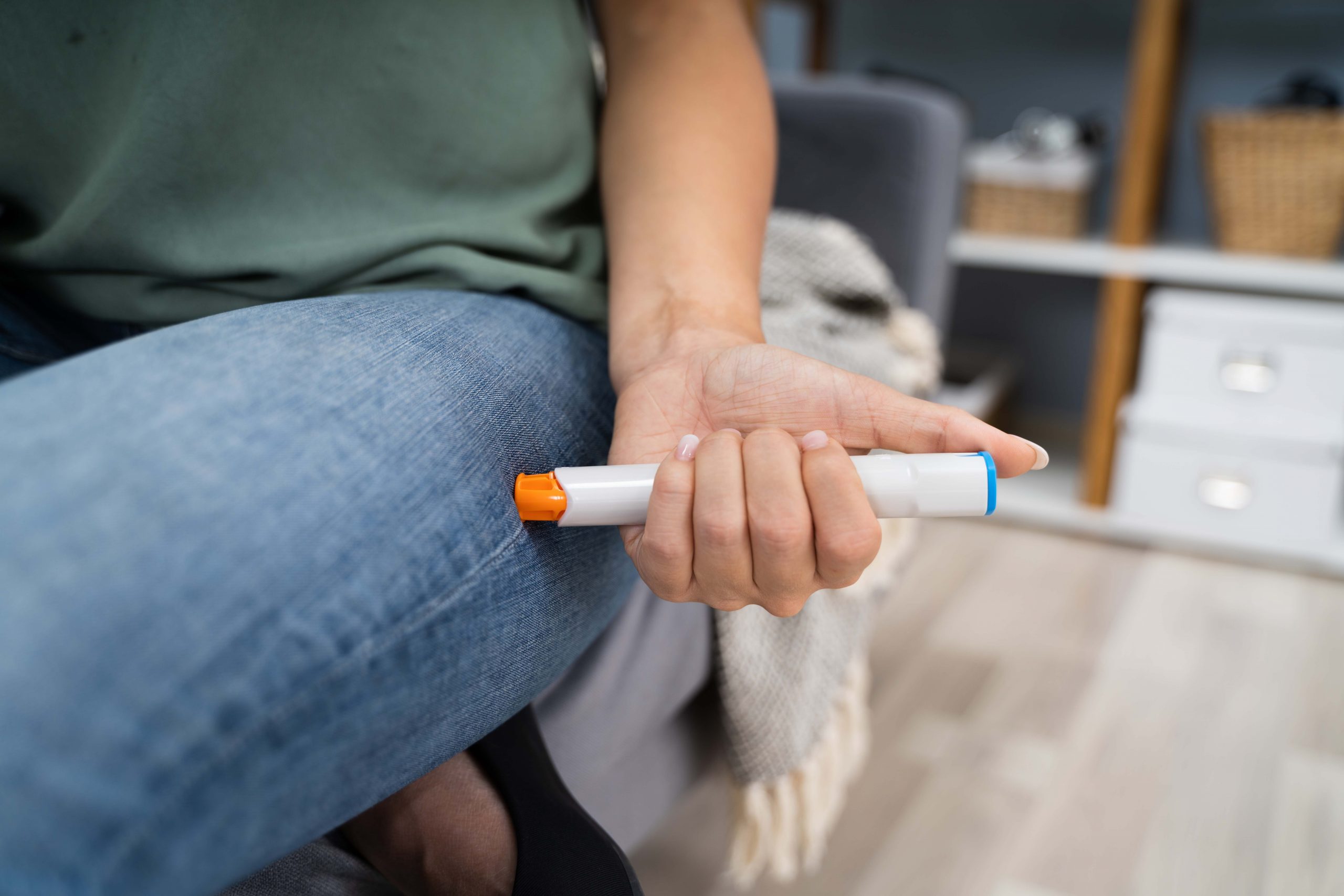
Sometimes it is useful. You require first aid and CPR for a mentoring duty, or your employer demands first aid and cpr training classes for health and wellness conformity. Sometimes it is deeply personal. A moms and dad register for an express childcare first aid course after their child had a frightening febrile seizure. A colleague joins a fast cpr course due to the fact that a previous occurrence left them really feeling helpless.
Whatever your reason, a fast first aid course is just one of the most effective uses of a solitary day you can pick. It transforms unclear worry right into concentrated capacity. It gives you a clear, practiced feedback when somebody around you has the most awful 5 minutes of their life.
Pick your carrier meticulously. Prepare sufficient that your mind is complimentary to engage. Deal with the day as the beginning of a skill, not a one‑off obstacle. Your future self, and perhaps a person you have never ever satisfied, might one day be extremely grateful you did.